
Decisions replaces legacy BPMS with a flexible platform for real-time decisions, automated processes, and orchestration across workflows, rules, agents, and integrations.

What once streamlined operations now creates friction. Legacy BPMS platforms struggle to keep up with the speed, complexity, and integration demands of modern business.

Updating workflows often requires code changes, long release cycles, and specialized developers.

Legacy platforms weren't designed for today's API-driven, AI-enabled ecosystem, leading to brittle integrations and workarounds.
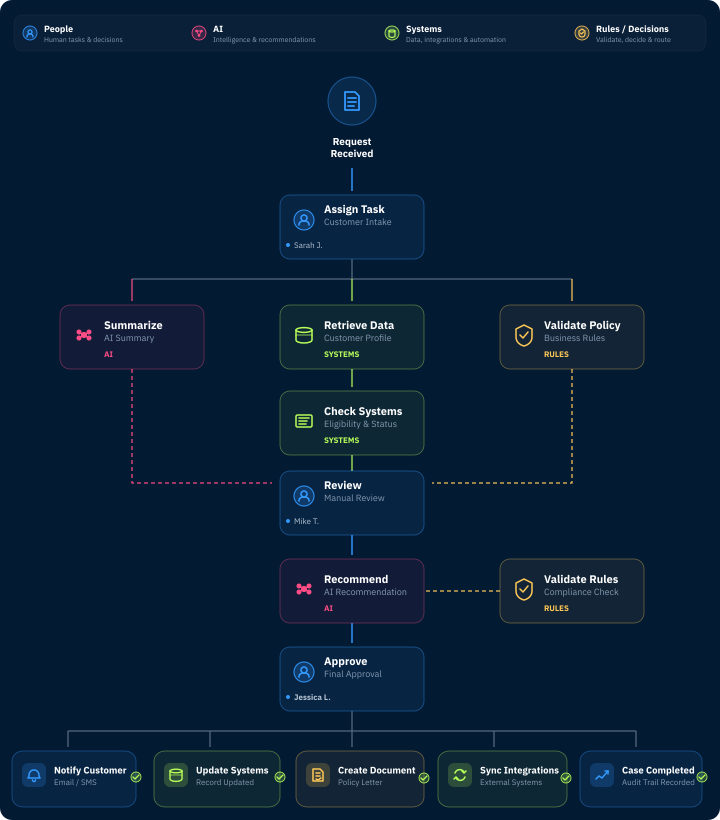
Decisions gives you a more flexible way to automate and orchestrate work across people, systems, data, decisions, and agents.
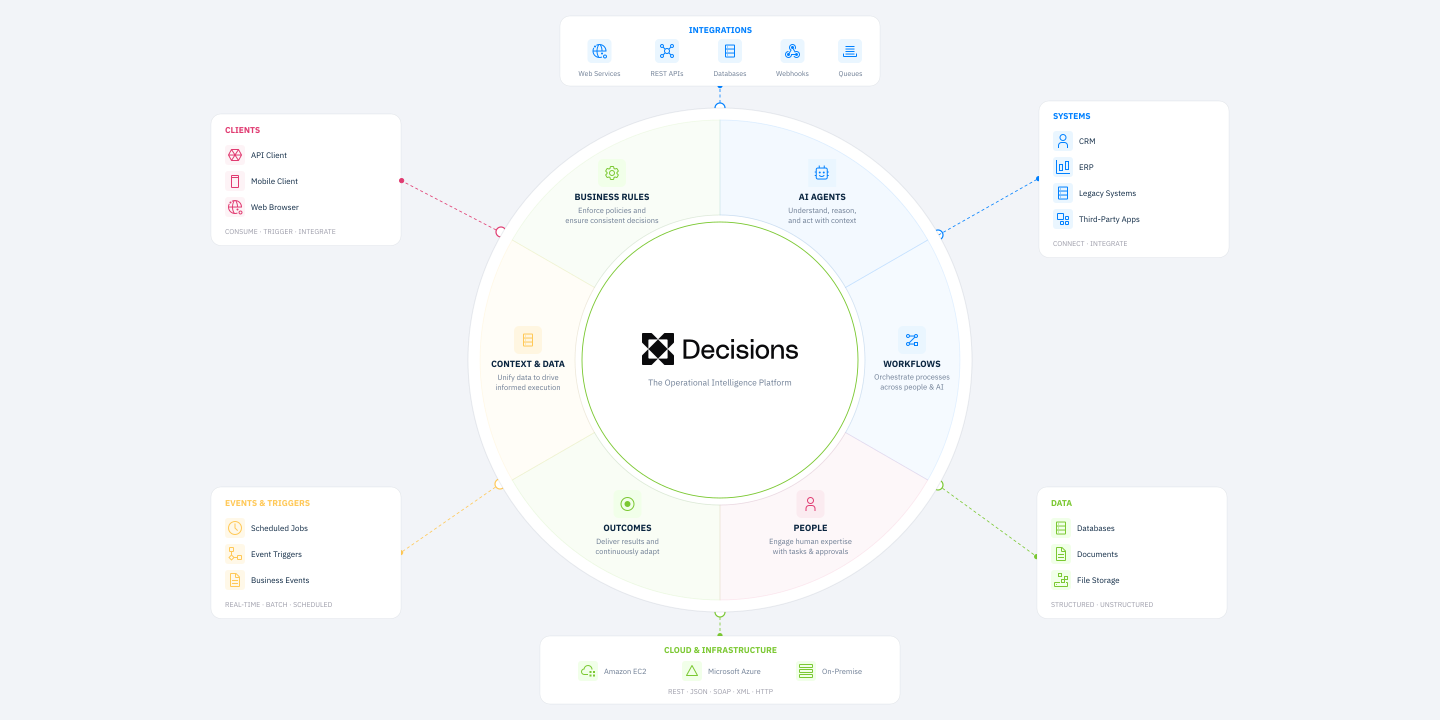
Many platforms automate workflows. Decisions is differentiated by how it brings rules, orchestration, AI governance, and process intelligence together in one governed platform.


A unified platform designed to run your business—No silos, No handoffs, No guesswork.
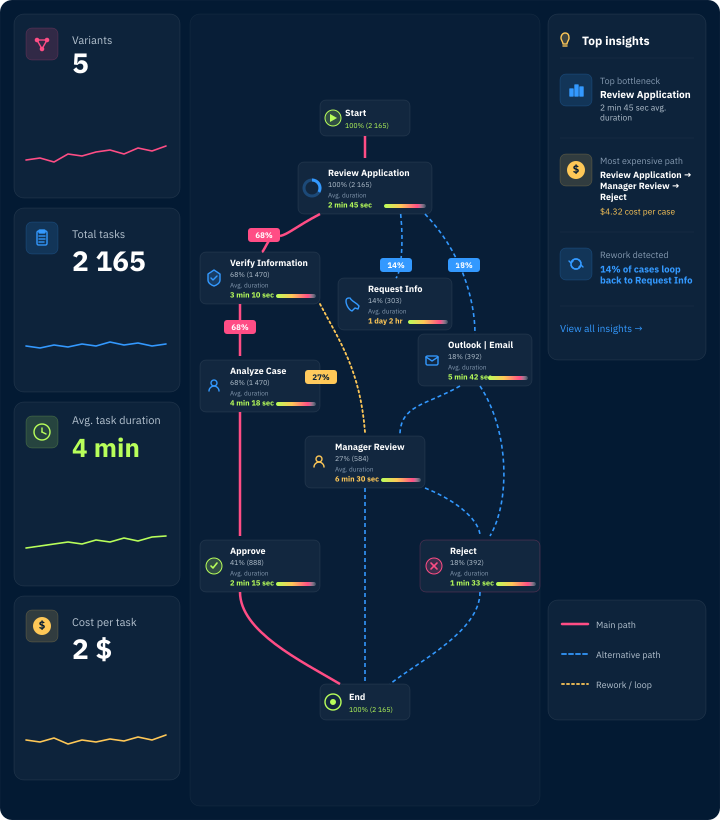








“Based on our experience of investing in the Decisions platform to improve our workflow and process automation, we don't see bottlenecks anymore. We see problems that Decisions can solve.”
City of Miami Parking Authority

No. Decisions can be layered on top of your existing systems, allowing you to modernize incrementally while minimizing risk and disruption.
Traditional BPMS focuses on workflow execution. Decisions goes further by unifying workflows with a rules engine, AI orchestration, and integrations—creating a true orchestration layer rather than just a process engine.
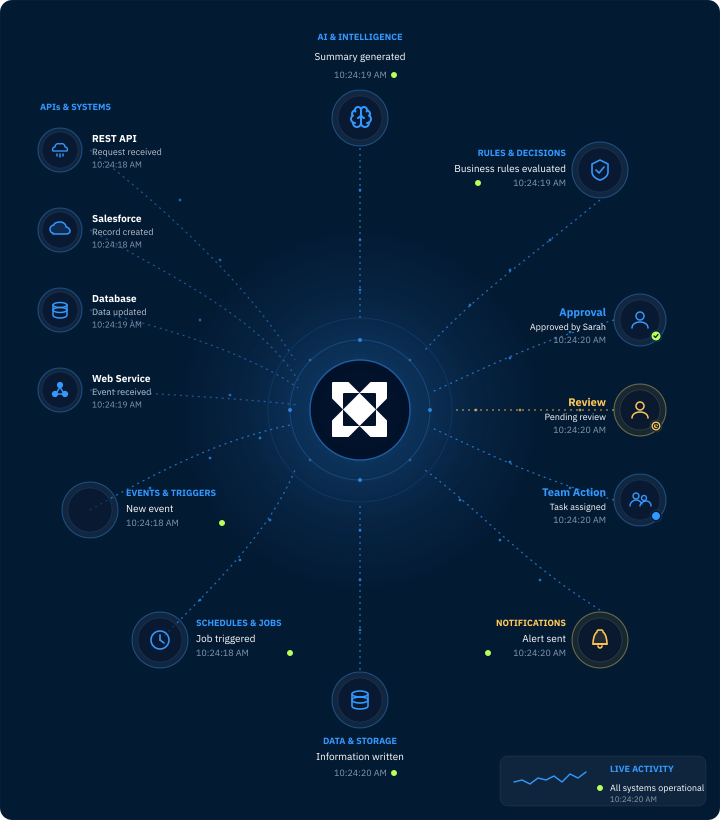
Yes. Decisions is API-first and designed to integrate with both legacy and modern systems, enabling orchestration across your entire technology stack.

See how Decisions helps you modernize process automation with a flexible platform that enforces decisions, and scales with your business.

AI, automation, and process improvements are constrained by the limitations of the underlying platform.


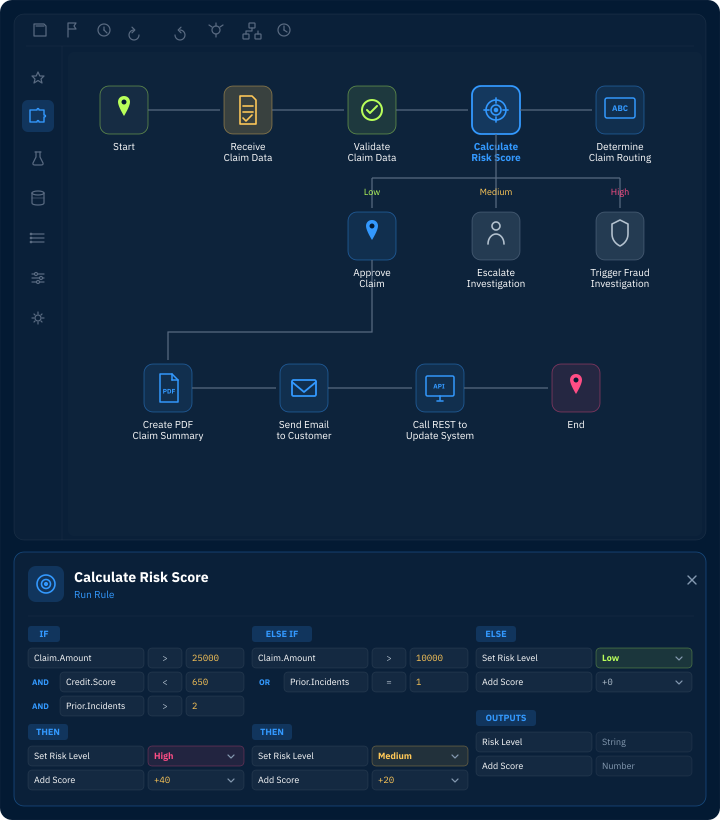
With a visual, low-code platform, business users can design and modify workflows and rules without coding, while developers focus on higher-value integrations and extensions.
AI automates high-volume tasks like data extraction and classification, but all decisions are governed by deterministic rules. This ensures accuracy, consistency, and control while increasing efficiency.