
Legacy systems power your business, but slow innovation. Decisions adds an orchestration layer to connect legacy systems, automate workflows, and centralize decision logic—modernizing operations without costly migrations or rebuilding core applications.

Core systems are critical, but they often limit your ability to adapt, integrate, and innovate.

Changes require long development cycles, making it difficult to respond quickly to new business needs.

Connecting legacy systems to modern applications, APIs, and AI tools is time-consuming and fragile.
Decisions sits above your existing systems, orchestrating workflows, centralizing decision logic, and integrating data—so you can modernize processes without disrupting, modifying, or replacing core applications.
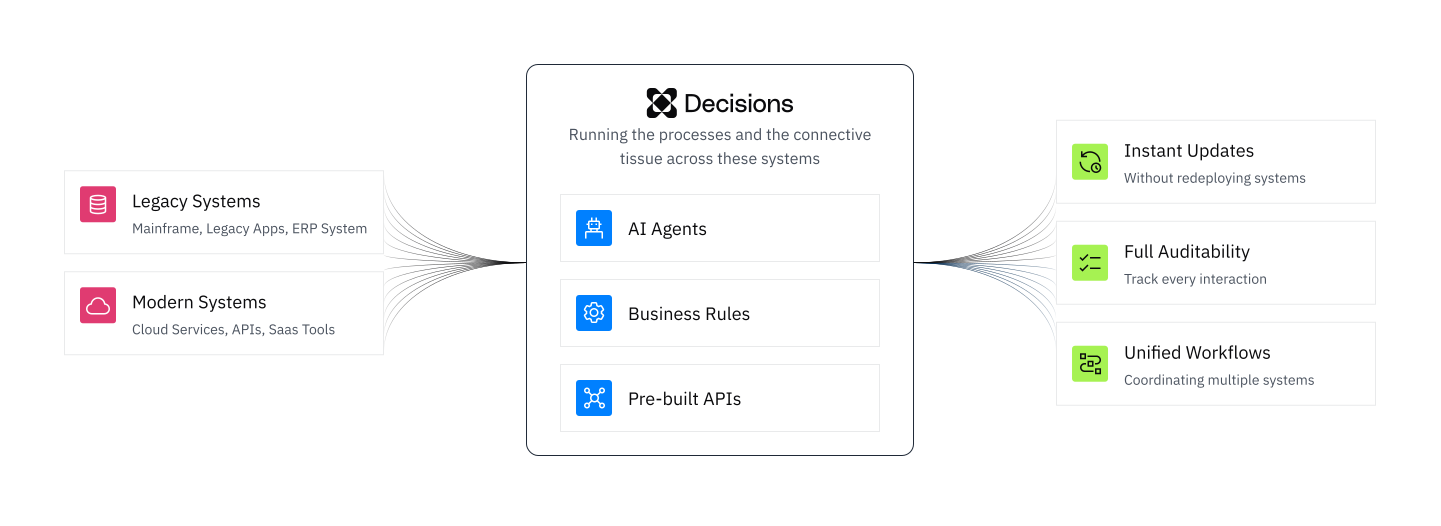
Instead of replacing systems, extend and modernize them—improving speed, flexibility, and control without disrupting what already works.


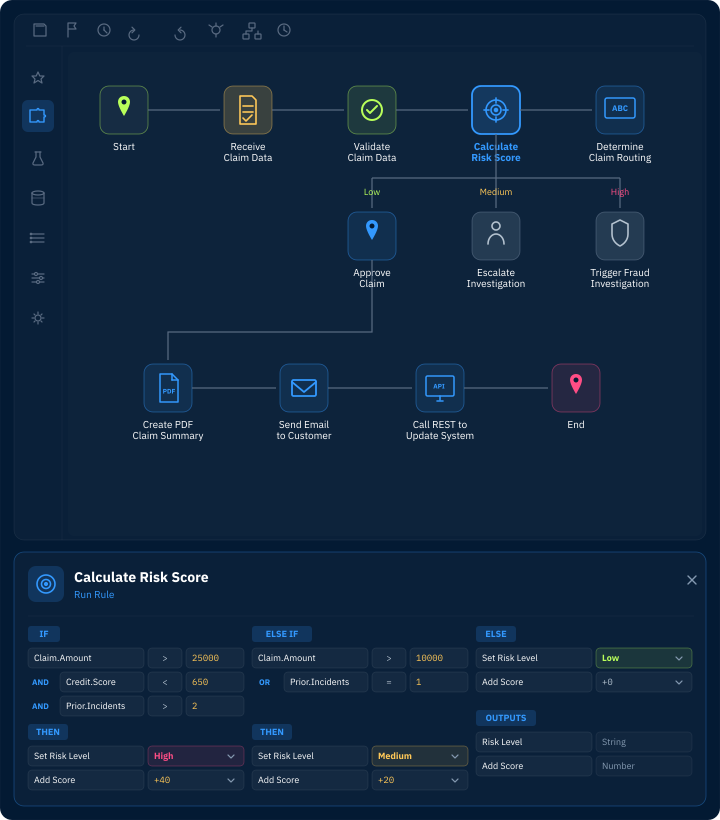
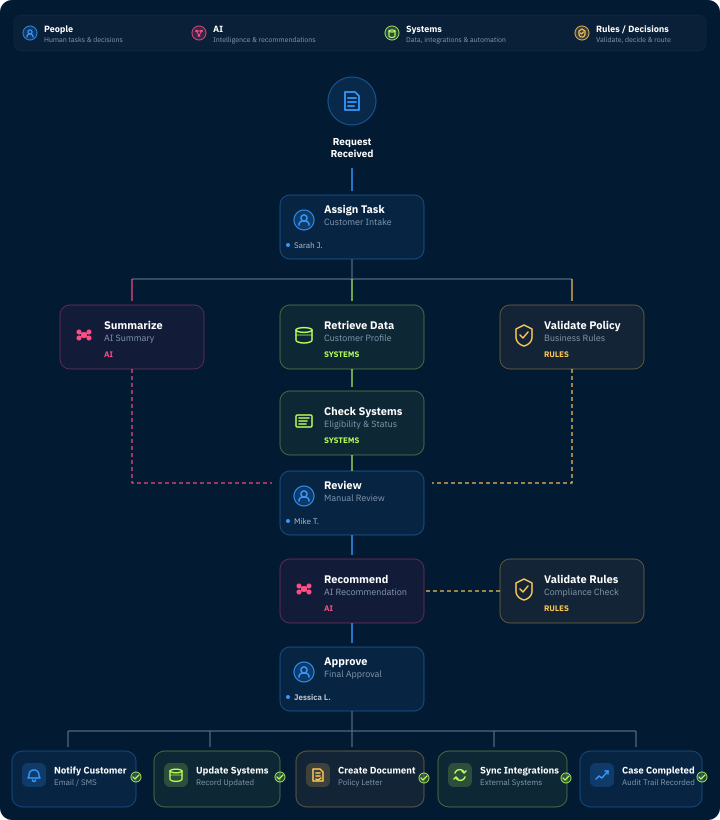
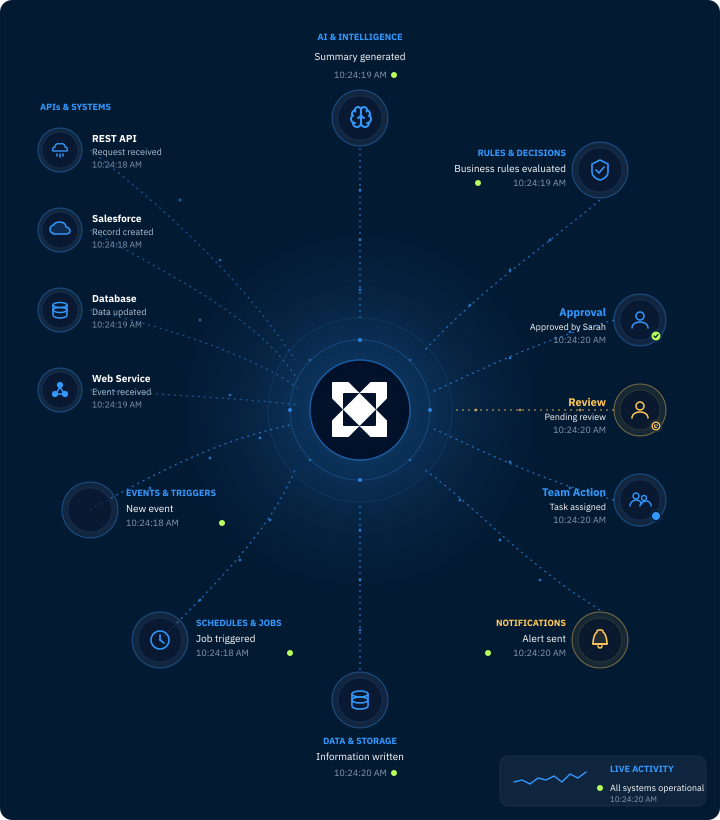
A unified platform designed to run your business—No silos, No handoffs, No guesswork.








“Thanks to Decisions, we're building processes we never could have imagined were possible with our legacy system.”

Decisions acts as an orchestration layer that sits above your existing systems. It connects them through APIs, manages workflows across them, and centralizes decision logic in a rules engine—so you can modernize processes without changing the underlying applications.
Decisions uses an API-first approach and supports a wide range of integrations, enabling seamless connectivity between legacy platforms and modern applications.

See how Decisions helps you transform legacy systems into a connected, intelligent, and agile foundation for your business.

Full system migrations are expensive, disruptive, and carry significant risk.


Yes. You can start with specific workflows or use cases and expand over time, allowing for a phased and controlled modernization approach.
By orchestrating workflows centrally, Decisions provides a unified view of processes, decisions, and outcomes across all connected systems.
AI automates repetitive tasks like data extraction and classification, while the rules engine ensures that all decisions follow consistent, governed logic.