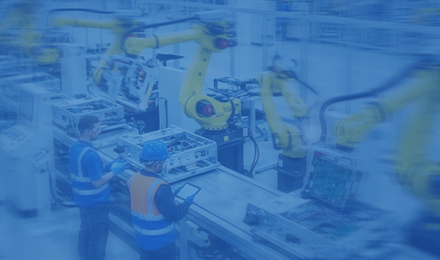
The Internet of Things (IoT) is generating an unprecedented volume of real-time data from connected devices, creating immense opportunities for businesses to innovate. From smart factories to connected fleets, IoT has become a significant component of digital transformation across industries. However, managing this flood of data and turning it into actionable insights is far from straightforward. Many organizations struggle to keep pace with the speed and scale of IoT, leaving valuable insights untapped.
The Challenge of IoT Data Overload
Every connected device—whether it’s a piece of industrial equipment, a vehicle, or a smart sensor—emits streams of data, often referred to as "heartbeats." These data points carry critical information about performance, condition, and potential issues. But processing millions of these signals daily, across a growing network of devices, requires more than traditional data management tools. Without real-time analysis and intelligent automation, opportunities for predictive maintenance, operational efficiency, and customer satisfaction are lost.
Additionally, as IoT ecosystems scale, the complexity of managing them grows exponentially. A typical manufacturing operation could involve hundreds of thousands of devices, each reporting data every few minutes. The stakes are high; delays or mismanagement of this data can result in costly downtime, inefficient operations, and missed opportunities for innovation.
A Game-Changer in IoT Automation
This is where an advanced process automation platform makes a difference. By automating the evaluation and response to IoT data, businesses can transition from reactive to proactive operations. Imagine a system that not only monitors the performance of connected devices but also identifies patterns, predicts issues, and triggers immediate actions to resolve them—all without human intervention.
One example of such a transformation is seen in a global enterprise in the equipment manufacturing industry. This company faced the challenge of managing real-time performance data from hundreds of thousands of IoT-connected devices, each reporting back every four minutes. By implementing the Decisions robust automation platform, they were able to initially process 30 million data records daily and proactively maintain their equipment, significantly reducing downtime and enhancing operational safety. As the company scaled, it could process more than 100 million records in the same time.