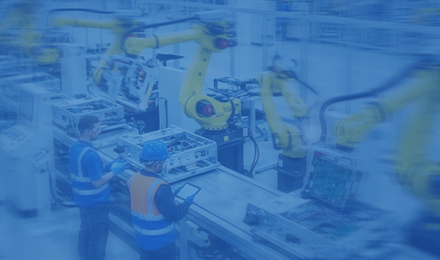
“Going lean” is something organizations have been doing since the 1980s in the manufacturing business, later popularized in the 1990s by author Eric Ries with his book The Lean Startup. As enterprises manage more resources, the need for managing efficiently is critical. Lean isn’t just about reducing costs — it’s a way of thinking. In this article, you will discover the three key concepts of lean process improvement and what your organization can achieve going lean.
What is lean process improvement?
Before understanding lean process improvement, we need to define “lean.” We define lean thinking as a system focused on eliminating waste through achieving quality, speed, and customer alignment. Toyota was the original developer of this concept in the manufacturing business. One element of the Toyota Production System is that the necessary parts are made and delivered in the needed amounts at the right times. A special card called a kanban is used to make this possible. The kanban describes how many parts are used where and when, and is attached to the parts box. When a part is taken from the parts box and used, kanban is removed. The Kanban System is an accountability system that helps prevent factories from making excess parts or removing the possibility of allocating space for extra parts that were already made.Like the Japanese with Toyota, lean process improvement can help businesses use resources more wisely while reducing waste. It is the process of continually reviewing a process identifying waste or areas in a process map that can be improved. This is a constant feedback loop that continues as a business progresses. As the nature of work changes and markets get increasingly volatile, companies need to respond to new demands as quickly as possible. Lean process improvement offers a way to do just that.