Maybe it’s not too surprising that a global pandemic caused major, record breaking disruptions for the American labor force. After mass layoffs in 2020, more than 47 million Americans quit their jobs in 2021, most to seek remote opportunities that offered higher wages and a more accessible work-life balance. During this labor reshuffle, jobs that required in-person labor, which traditionally have lower wages, have had a difficult time retaining in-person workers.
While COVID-19 and a rapid shift towards remote work has sent a shockwave through the system, making it challenging to retain long-term employees, businesses are beginning to face yet another economic obstacle – a structural labor shortage.
It’s basic math: As the baby boomers inch closer and closer to retirement, there are simply not enough young workers available to replace them. And the problem isn’t going away. Economists predict these hiring challenges will persist for another decade, at least. This shortage includes workers across all skill sets – including IT and software engineers, hospitality services, retail workers, financial professionals, and tradespeople. Coupled with an imminent recession, business owners are beginning to sweat, wondering “How can my company continue to grow and stay competitive in such uncertain conditions?”
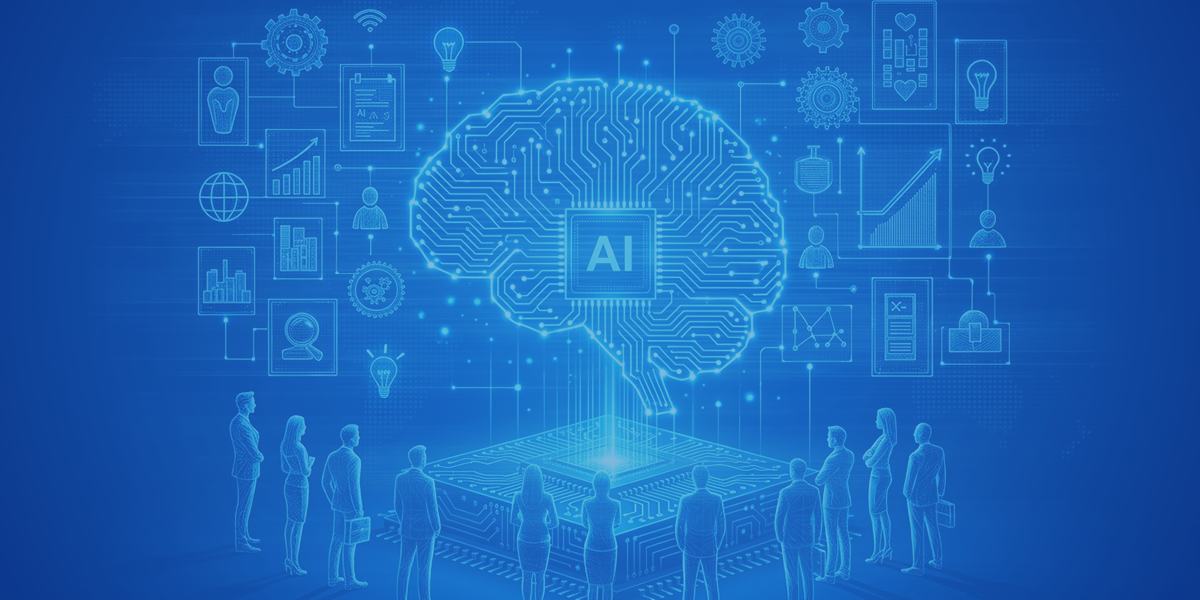
There is a path forward! Intelligent Process Automation (IPA) platforms, like Decisions, offer sustainable approaches to streamline work and enhance operational efficiency, while still employing the expertise of the existing workforce. Adding automation to your company’s toolkit lets you automate the tedious, high-volume tasks that eat away at your employees’ time and patience. This gives your team the time back to focus on complex, value-added tasks, while simultaneously increasing efficiency, reducing process errors, and reducing your company’s overall costs.