Your team is tasked with developing a new employee training program and you take charge in choosing the key elements for the program to ensure it meets learning styles and preferences of your colleagues.
You initially opt for instructional videos to engage your team. However, as discussions unfold, it becomes clear that some prefer hands-on workshops and interactive sessions.
In response, you pivot and plan a week-long, in-person training. Yet, you discover that another segment of your team values a program that includes mentorship.
Feeling a bit challenged? This scenario emphasizes the importance of thorough requirements gathering in corporate projects, aiming to reduce rework, meet timelines, and ensure overall project success.
Understanding the Challenges
Requirements gathering—deciding what your projects need and how to make it happen—comes with its own set of hurdles. Multiple stakeholders, conflicting priorities, and a back-and-forth process can lead to miscommunication, delays, and a lack of alignment within the team.
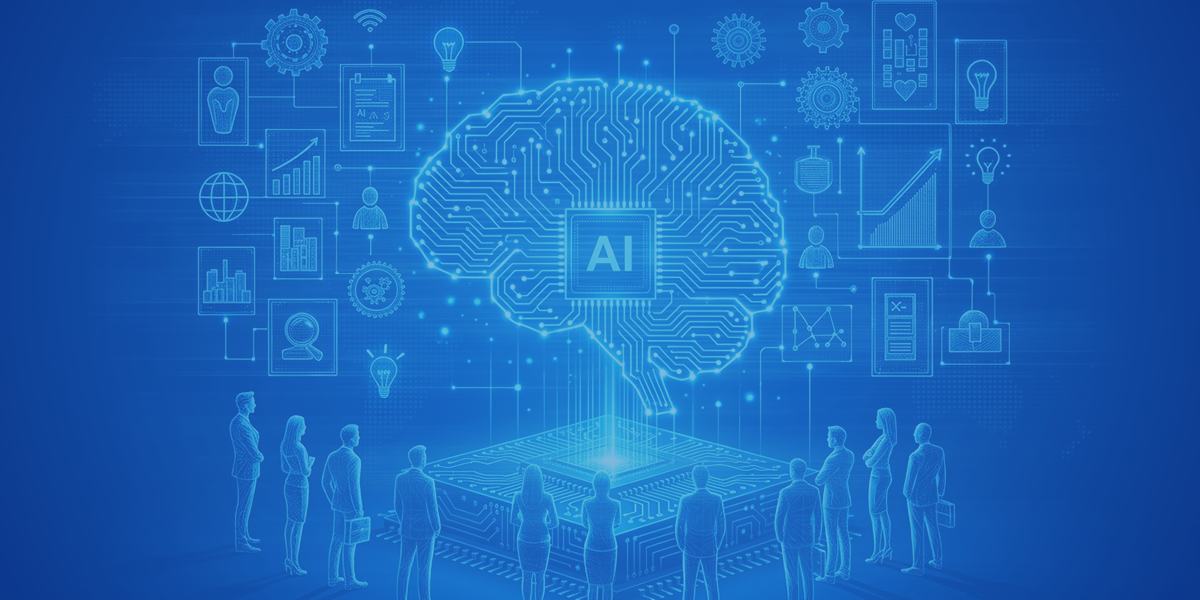
While it may seem like a formality, nailing down a project's requirements is crucial. It defines scope, identifies business and technical needs, and prevents delays and rework. Enter AI orchestration, streamlining the process for a more efficient workflow.
By automating the requirements gathering process, AI orchestration reduces time spent on manual tasks, enhances collaboration between team members, and provides a standardized approach to requirements gathering. Here's how AI can help overcome some common challenges.
Business Process Visibility and Standardization
A centralized platform ensures everyone follows a standardized approach, like having a digital blueprint that eliminates miscommunication and ensures all stakeholders are on the same page.