How to Build a Culture of Citizen Automation Without Losing Control
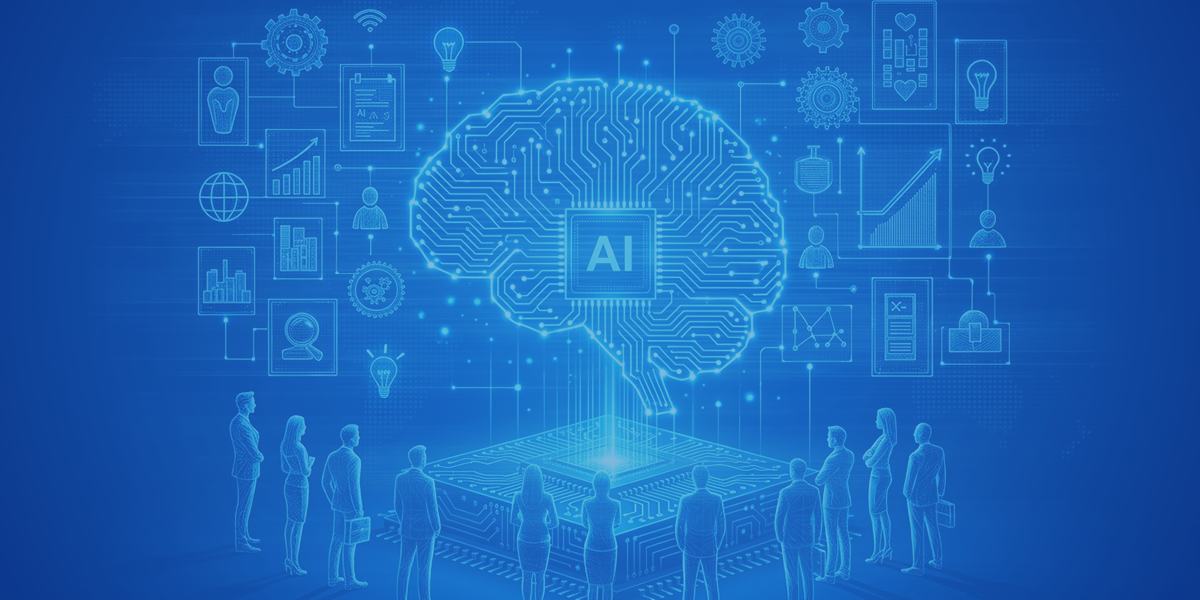
Digital transformation has shifted from being an IT-driven initiative to becoming an organization-wide mandate. Business teams are under pressure to move faster, reduce manual work, and deliver better experiences — all without waiting months for development cycles. Enter citizen automation: empowering non-technical employees to design and deploy workflows using low-code or no-code platforms. But there’s a catch. CIOs and IT leaders love the promise of speed and agility — yet dread the nightmare of shadow IT: siloed apps, duplicate data, security blind spots, and compliance risks. The question becomes: How can organizations embrace citizen automation while staying in control?The answer lies in building a culture of responsible empowerment, supported by governance, standardization, and the right platforms.
Why Citizen Automation Matters
Citizen automation is a response to real business needs. Organizations across industries face bottlenecks when every process improvement must run through IT. By giving business users the tools to automate, organizations see:
Faster problem-solving: HR teams can launch new onboarding flows in days, not months.
Reduced IT backlog: IT focuses on higher-value architecture and security instead of one-off requests.
Greater agility: Departments adapt quickly to new compliance requirements or market conditions.
Higher employee engagement: Teams own their processes and can improve them directly.
In , for example, citizen automation helps administrative offices create workflows for or — improving the student experience without overwhelming IT teams. [cta title="Learn how ProcessMaker simplifies workflows for administrative offices." link_text="Learn More" link="/solutions/industries/higher-education-automation/"]
But here’s the paradox: ignoring citizen automation actually makes shadow IT worse. When employees don’t have an approved, enterprise-grade way to automate, they’ll find workarounds, often using insecure tools.Forward-thinking CIOs don’t block citizen automation. They embrace it — but with a framework that aligns empowerment with governance.
The Citizen Automation Maturity Model
Organizations often move through stages as they enable business-led automation. Understanding where you stand helps guide next steps.
[@portabletext/react] Unknown block type "imageWithAlt", specify a component for it in the `components.types` prop
Stage 1 – Ad Hoc Experiments
Employees use personal tools (spreadsheets, free apps) to patch together workflows.
Governance by designBuild in audit trails, permissions, and security frameworks from day one.
Training and enablementOffer training, templates, and best practices to empower business users safely.
IT as partner, not gatekeeperShift IT’s role to strategic enablers who provide guardrails and integrations.
Start small, scale smartBegin with controlled pilots, then evolve governance as adoption grows.
How ProcessMaker Supports Responsible Citizen Automation
At ProcessMaker, we’ve seen this balance play out across industries. Our AI-powered process orchestration platform is designed to empower business users while giving IT the oversight it needs.
The users are divided into 3 different groups, and each group has specific permissions and roles. This inclusive approach encourages even business users without much technical knowledge to participate in the automation process.
Users can design workflows through an intuitive drag-and-drop interface.
IT leaders (or any admin users) get visibility into integrations, data flows, and permissions.
Enterprise integrations ensure automation doesn’t become siloed apps.
Ultimately, citizen automation is as much a cultural change as a technical one. CIOs and business leaders must encourage experimentation, celebrate successful initiatives, and create communities of practice where automation knowledge is shared.The goal is not to eliminate control but to redefine it: from centralization to federated empowerment. When everyone in the organization sees automation as part of their role — and has the tools and guardrails to do it responsibly — innovation thrives.
Conclusion
Citizen automation doesn’t have to mean shadow IT chaos. By adopting a maturity model, standardizing on enterprise platforms, and fostering a culture of responsible empowerment, organizations can combine agility with governance.Forward-looking CIOs recognize that automation is no longer the sole responsibility of IT. It’s an organization-wide capability that, when guided by the right tools and culture, can transform how work gets done. Many times, it’s not IT but other teams that need automation in their workflows, and they’re the ones who know best how to improve them.Curious how to scale citizen automation responsibly? Explore ProcessMaker’s orchestration platform to see how we help CIOs and business leaders strike the perfect balance. [cta title="Learn more about ProcessMaker's all-in-one automation platform." link_text="Read More" link="/products/processmaker-platform/"]
FAQs
1. What is citizen automation? Citizen automation refers to empowering non-technical employees (often called citizen developers) to build and deploy workflow automations using low-code/no-code tools.2. How does citizen automation benefit CIOs? It reduces IT backlog, speeds up innovation, and creates more agile organizations — as long as it’s paired with governance and oversight.3. Isn’t citizen automation just shadow IT by another name? No. Shadow IT arises when employees use unapproved tools. Citizen automation, when managed with the right platforms and guardrails, brings automation into the open and under IT’s visibility.4. How can organizations avoid shadow IT chaos? By standardizing on a secure enterprise platform, building governance into the automation program, and encouraging IT-business collaboration.5. How does ProcessMaker support citizen automation? ProcessMaker provides a process orchestration platform designed for both business users and IT, with features like audit trails, integrations, and role-based permissions to scale automation responsibly.