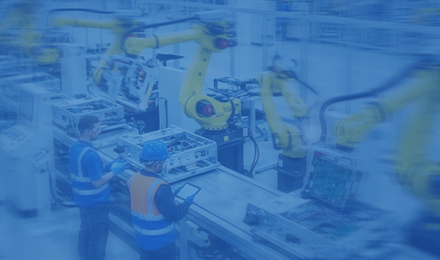
Ever since Sir Richard Arkwright developed a water powered spinning mill for cotton in 1771, the manufacturing industry has embraced automation as a way to reduce time and costs when it comes to repetitive tasks.
So it should be no surprise that the manufacturing companies vertical would turn to workflow automation for many of its business processes, especially when it comes to areas such as:
- Managing purchase orders
- Onboarding new customers
- Inventory management
- Supplier/vendor management
- Tracking invoices
- Purchasing
- Tracking KPIs
- Track maintenance issues and requests
Applying workflow automation to processes to situations such as these allows you to connect the right people to the right systems to get things done efficiently and effectively.
How Does Workflow Automation Benefit Manufacturing Specifically?
Looking at the list of processes above, you can safely say that any type of business would benefit from having workflow automation applied to them. So let’s dig into some specific examples that apply to the manufacturing industry.
Better Communication
If supplies or materials are running low, you run the risk of production slowing down or even stopping entirely. Applying workflow automation to your inventory processes allows you to notify the right people when supplies fall below a comfortable threshold. Further automation allows you to interact with your suppliers and vendors so that you can start the ordering process. Your purchasing department may also benefit from notifications related to these orders to ensure prompt payment.