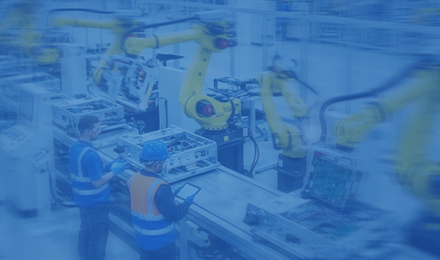
Automation is nothing new in the banking industry. We first saw automation take hold with the first automatic teller machine (ATM) in 1969. Since then the ATM paved way for the banking industry to focus more on customer service and other banking needs. With the invention of the internet and cellphone came mobile banking, further dissipating the need for tellers to do basic tasks like withdrawing money or account inquiries. Now, with the advancements in AI and machine learning, what does the future hold for the banking industry?
Banking Automation in terms of Productivity
Since the Industrial Revolution, automation has had a significant impact on economic productivity around the world. In the current Fourth Industrial Revolution, automation is improving the bottom line for companies by increasing employee productivity. The repetitive tasks that once dominated the workforce are now being replaced with more intellectually demanding tasks. This is spurring redesigns of processes, which in turn improves customer experience and creates more efficient operations.
Automation and robotics to improve processes in banking
While bank automation is enticing as a concept, CFOs need a clear understanding of what kind of tasks can be automated. Research from the McKinsey Global Institute concludes that 40 percent of financial activities such as cash disbursement, revenue management, and general operations can be fully automated. Furthermore, some financial institutions are exploring a category of automation technology called robotic process automation (RPA) that can automate transactional tasks at scale. There are :