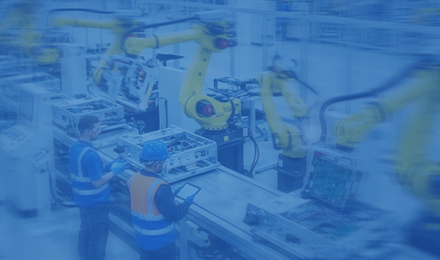
In the wake of The Great Resignation, 86% of U.S. business executives see automation as a remedy against the mass exodus of American workers, according to a new study by UiPath. More sophisticated virtual agents answer the phone when we call customer support lines. Robotic delivery workers zoom down city sidewalks. In some stores, scanners at the exit auto-magically add up our items and charge our card for the haul. Automated technology is embedding itself into every aspect of business. It has quickly become a saving grace for organizations struggling to retain employees. To stay afloat during COVID quarantine measures, many organizations went full steam ahead on perfecting their remote work strategy. They furnished employees with home office equipment. They hosted Zoom calls in lieu of in-person meetings and bonded through online games in place of local happy hours, all in an effort to convince staffers that an effective and productive remote workforce was possible. Right when their team believed the great experiment was working—many organizations asked workers to upend their new routine and return to the office. Like a magician snatching a tablecloth from underneath a fully set table, upper management assumed everything would come right back down where it belonged. It came as a shock to many employers when instead of faithfully toeing the company line, workers heeled about-face for the door. And it wasn’t just a handful of martyrs that opted to quit: a staggering 33 million Americans left their jobs since spring 2021, spurring the trend that employment thought leaders call The Great Resignation. To shore up the endless deluge of exiting employees, 78% of organizations are upping their investment in automation. Here’s how they’re using it to design an effective employee retention strategy.