Workforce Revolution
We are embarking on a new era that may prove as disruptive as the industrial revolution. As a result, the way and reasons we work are changing and technology is a primary enabler to the shift to a liquid workforce. Adding collaboration tools and cloud-based workflows to the mix empowers all types of staff to work anywhere at any time.
What is Liquid Workforce?
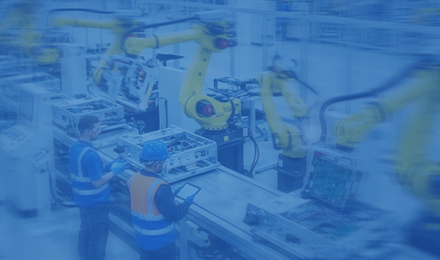
The liquid workforce comprises of both traditional employees and a variety of non-employee workers. Non-employee works might include temporary workers, independent contractors, consultants, freelance, and outsourced staff. Non-human workers also comprise the liquid workforce. Robots, drones, cognitive computing applications can all contribute some work in lieu of an actual human being. By having a liquid workforce component, companies can find the right combination of internal employees, freelancers, and technologies.
Social Factors are Supportive
In its 2025 Workforce Report, Randstad estimates that up to half of the workforce will be agile within a few years. Millennials who grew up with workaholic parents in the 1980s and 1990s appreciate work-life balance. Therefore, they aren’t willing to compromise as much as their parents’ generation. Already, about 38% of workers stay they are more comfortable working as an independent contractor rather than a full-time employee. The top three reasons the report cites for this trend is that individuals are motivated by the flexibility of hours, more control over their career and desire to pursue passions that being an independent contractor affords.