Rules Triggering Connected Device Actions
Recently a customer asked us about Philips HUE light bulbs - so we went to Home Depot and grabbed two of them. Within 15 minutes of unboxing we had them flashing whenever a new support ticket came in. We always knew that we could add intelligence to the IoT trend - but it was fun to prove to ourselves how easy it would be.
If I Only Had a Brain...
The problem we understood well was that every time you want a connected device to do something - it required manual user input. Leading products like the Nest thermostat have started to incorporate automated decision making into their products so it can learn and execute against a consumers lifestyle. Our theory is that over time, these networks of devices will need to be taught what actions or events should be triggered given certain conditions. To us - its all about the rule engine.
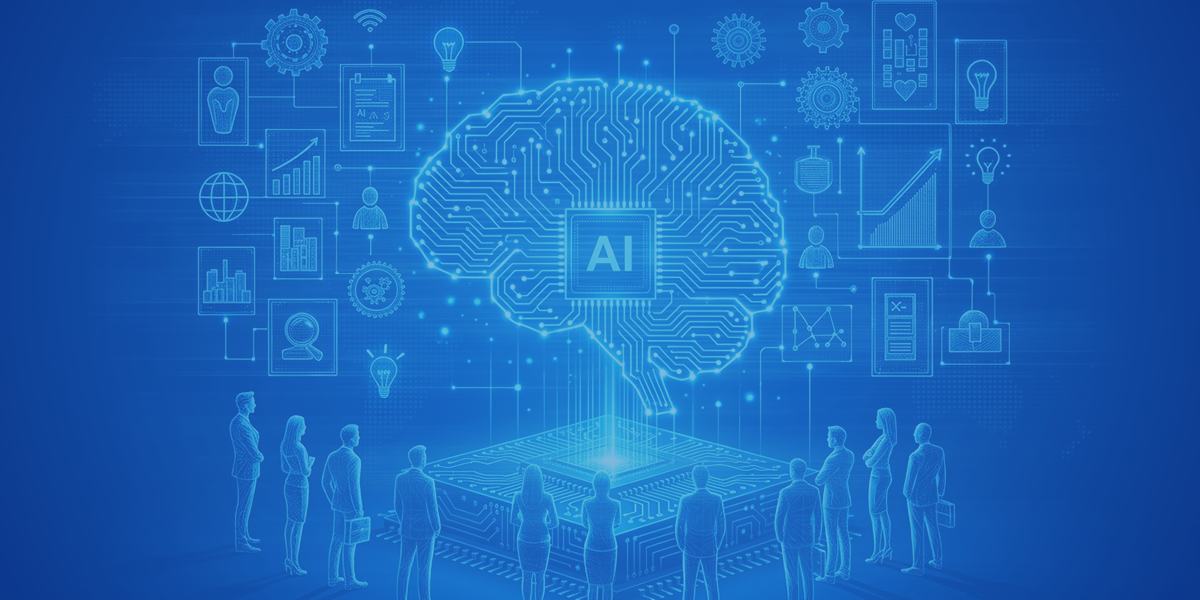
Instead of consumers spending energy and time telling these devices what to do in every situation you can visually develop rules using Decisions Rule Engine that say - when these conditions are met - do this thing. And those conditions can be dynamic in nature and evolved rapidly over time without writing code. We want to enable device manufactures and their solution partners with a central "brain" that let's them add capability to their devices without additional complexity or effort form the consumer.
The Internet of Things and the Internet of Decisions
Fundamentally - the Internet of Things is a collection of devices that can communicate through web services or other methods of integration.
Every day the mission of connecting devices progresses with new devices adopting standard communication mechanisms and frameworks for managing groups of related devices being put into applications for consumers and businesses alike.
So what is the next step? Letting those devices make decisions.
Adding intelligence to these devices and groups of devices can add more value to the Internet of Things by requiring less manual input and decision making from the end user. Adopting a workflow or process thinking lens can make this idea simple.